
Best Alternatives to Fiverr for Web Design
Explore the best alternatives to Fiverr for web design. Discover platforms offering unique design services tailored for your business needs.
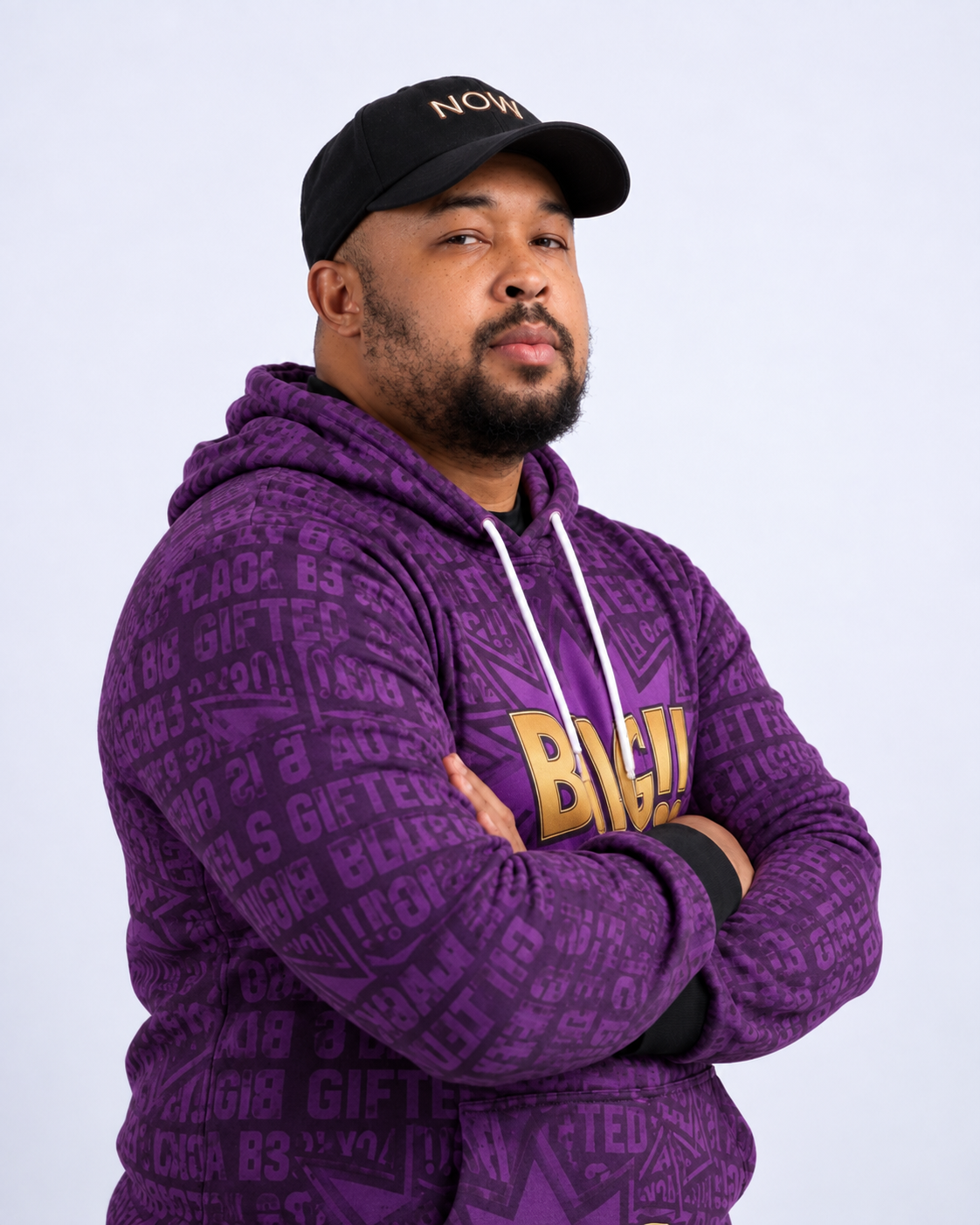 By Elisha Carter· Founder

EC Hustles: Custom Web Design and Branding
Unlike platforms that rely on a broad pool of freelancers, EC Hustles offers a tailored approach to custom web design and branding. This service focuses on delivering high-quality and creative solutions that cater specifically to small business owners and entrepreneurs looking to establish or revamp their brand identity.
What sets EC Hustles apart is its commitment to personalized service. While many freelance platforms provide access to a wide range of designers, the experience can often feel impersonal and transactional. EC Hustles, on the other hand, ensures that every project is handled by a dedicated team that understands the unique needs and vision of each client. This approach fosters a deeper collaboration, allowing for a more cohesive and effective brand strategy.
In terms of pricing, EC Hustles operates on a model that reflects the value of bespoke design services. This is particularly beneficial for entrepreneurs who are willing to invest in quality to differentiate themselves from competitors.
The process at EC Hustles begins with an in-depth consultation to fully understand the client's brand aspirations and target audience. This is followed by a meticulous design phase where every element, from color schemes to typography, is crafted to align with the brand's identity. Unlike services that might rush through design for the sake of speed, EC Hustles emphasizes quality and attention to detail, ensuring that the final product is not just visually appealing but also strategically sound.
Moreover, EC Hustles emphasizes a collaborative approach throughout the design process. This ensures that the brand's visual identity can evolve as the business grows, maintaining relevance and appeal in a dynamic market. In contrast, some freelance platforms may offer limited post-project engagement, leaving clients to fend for themselves once the design is delivered.
For entrepreneurs who prioritize creativity and custom solutions, EC Hustles stands as a compelling alternative to more generic freelance platforms. Its focus on personalized service and strategic brand development offers a distinct advantage for those looking to make a lasting impact with their online presence. Choosing EC Hustles means investing in a partnership that goes beyond mere design, encompassing a holistic approach to building and sustaining a brand.
Choosing a Specialist vs. a Generalist
Selecting between a specialist and a generalist for your web design needs is a critical decision that can shape the outcome of your project. Specialists offer deep expertise in a particular niche, while generalists provide a broad range of skills across different areas. The choice largely depends on your specific business needs and project goals.

Specialists are ideal when you require in-depth knowledge or a highly customized solution. They focus on a specific area, such as custom web design or branding solutions, and bring a wealth of experience to the table. This expertise often translates into higher design quality and a more tailored approach to your project. However, this level of specialization often comes with higher costs, as you are paying for their focused skill set and experience.
On the other hand, generalists can be more versatile and adaptable. They offer a wide array of web design services and can handle various aspects of a project, from design to implementation. This can be particularly beneficial for small businesses that need a comprehensive solution without the budget for multiple specialists. Generalists can be more cost-effective, but the trade-off may be a lack of depth in any one area, potentially impacting the final design quality.
When deciding between a specialist and a generalist, consider the following factors:
- Project Scope: If your project requires a specific focus, such as intricate branding solutions, a specialist might be the best fit. For broader projects, a generalist can cover more ground efficiently.
- Budget: Specialists tend to charge more for their niche expertise. If budget constraints are a concern, a generalist might offer a more affordable solution without sacrificing too much on quality.
- Timeframe: A specialist could expedite certain aspects of the project due to their focused expertise, while a generalist might provide a quicker overall turnaround by managing multiple facets simultaneously.
Understanding these dynamics can help you make an informed decision. For further insights into how pricing models influence your choice, consider reading about how much website design costs for small businesses in the US.
Specialists may offer initial consultations to help you gauge their fit for your project. This can be a valuable opportunity to evaluate whether their specialized skills align with your vision.
Ultimately, the decision between a specialist and a generalist should align with your business's strategic goals. If differentiation through unique, high-quality design is a priority, investing in a specialist may pay off. Alternatively, if you require a broad range of services and flexibility, a generalist could be a more practical choice. Balancing these considerations with your budget and project timeline will guide you to the right decision for your web design needs.
Understanding Pricing Models in Web Design
Navigating through the pricing models of web design services can be challenging but essential for making informed decisions. Different models cater to varying needs, budgets, and project scopes. Understanding these can help you align your project goals with the right service provider.
Primarily, web design pricing models fall into three categories: fixed-price, hourly rate, and value-based pricing. Each has its own merits and drawbacks.
- Fixed-Price Model: This model offers a clear, upfront cost for a specific scope of work. It's ideal for projects with well-defined requirements and timelines. You benefit from budget predictability, as any additional costs stem only from changes beyond the original scope. However, this model can be inflexible if your project requirements evolve significantly during the process.
- Hourly Rate Model: This model charges based on the actual time spent working on your project. It provides flexibility, allowing you to modify project details as needed. However, it can lead to cost overruns if not closely managed. Transparency in time tracking and regular updates from your designer can mitigate potential issues.
- Value-Based Pricing: This model prices services based on the perceived value of the work to your business rather than the time or resources used. It can be the most rewarding if the design significantly impacts your business, such as increasing conversions or brand visibility. However, it requires an upfront agreement on what constitutes "value" and how it will be measured.
When considering alternatives to popular platforms, assess how these pricing models align with your needs.
For small business owners and entrepreneurs, investing in custom web design and branding solutions that stand out is crucial. Therefore, consider how each pricing model supports the quality and creativity you require. Fixed-price models might work best for straightforward projects, while value-based pricing could be ideal if you seek a transformative impact on your brand identity.
In essence, understanding these models and the trade-offs involved can help you choose the right web design service that aligns with your business objectives and budget constraints. Whether you seek predictability, flexibility, or value enhancement, select a model that complements your project vision and financial plan.
Evaluating Design Quality and Creativity
The right design can elevate a brand, while subpar work can hinder your business's image. Here's how you can assess these aspects effectively.

First, review the designer's portfolio. A portfolio provides a window into a designer's aesthetic style and technical skills. Look for consistency in quality and creativity across different projects. Are they able to adapt their style to suit various brand identities, or do they have a one-size-fits-all approach? Pay attention to details such as color schemes, typography, and overall composition. These elements can indicate the designer's ability to create a cohesive and appealing visual narrative.
Next, consider the uniqueness of their work. Creativity in design goes beyond aesthetics; it involves problem-solving and innovation. A creative designer will offer solutions that are not only visually compelling but also strategically aligned with your brand's goals. Check if their designs stand out or if they resemble common templates. This will help you gauge their ability to provide custom web design solutions that differentiate your brand from competitors.
Feedback and reviews from previous clients are invaluable. They offer insights into the designer's reliability, communication skills, and ability to deliver on promises. Look for patterns in feedback. Are clients consistently satisfied with the creativity and quality of the work? Do they mention the designer's ability to understand and translate their vision into reality? These are positive indicators of a designer's capability.
Pricing models can also provide clues about design quality. While lower prices might be tempting, they often correlate with less experienced designers or those using pre-made templates. On the other hand, higher pricing doesn't always guarantee superior quality. It's essential to understand what you're paying for. Does the price include revisions, custom branding solutions, or additional services like SEO optimization? Evaluate these factors to ensure you receive value for your investment.
It's also beneficial to inquire about their design process. A thorough process usually involves stages like research, brainstorming, sketching, and prototyping before final design execution. This indicates that the designer invests time and effort into understanding your brand and creating a tailored solution.
This model can provide a variety of design options but may require more involvement on your part to select the best design.
For those looking for a more curated experience, some services offer trial periods to test the waters before committing to a full project. This can be particularly useful if you're unsure about the designer's fit for your project.
In summary, evaluating design quality and creativity involves a careful review of portfolios, client feedback, pricing models, and the designer's process. Each of these factors contributes to the overall value you will receive from your web design investment.
FAQ
What makes EC Hustles a good alternative to Fiverr?
EC Hustles offers custom web design and branding services with a focus on creativity and strategic design, making it ideal for businesses seeking unique solutions.
How do I choose between a specialist and a generalist for web design?
Consider your project needs; specialists offer tailored solutions, while generalists provide a broader range of services, often at competitive prices.
What should I consider when evaluating web design pricing?
Understand the pricing models, such as fixed packages or hourly rates, and compare them against the quality and scope of services offered.