
How to Brand a Clothing Website for a Small Business
Learn how to effectively brand a clothing website for your small business with our step-by-step guide. Stand out and attract your ideal customers.
 By Elisha Carter· Founder
Branding a Clothing Website: The Essentials
To brand a clothing website effectively, start with a clear understanding of your brand's core identity and how it should resonate online. A successful brand website for clothes captures the unique essence of your fashion line and communicates it compellingly to your target audience. This involves more than just aesthetics; it's about crafting a cohesive narrative that aligns with your brand strategy for fashion.
Begin by identifying the key elements that define your clothing brand identity. This includes your brand's mission, values, and unique selling propositions. For instance, if sustainability is central to your brand, this should be evident not only in your product descriptions but also in the visual and textual elements of your website. Consistency across all these elements is crucial for small business branding, as it helps to establish trust and recognition.
Next, consider the user experience and website design for clothing. Your website should be intuitive, easy to navigate, and mobile-friendly. Given the rise of mobile shopping, ensure that your site looks as good on a smartphone as it does on a desktop. Think about the customer journey: How do potential buyers find what they need? How easy is it for them to make a purchase? Consider integrating features like lookbooks or virtual try-ons to enhance the shopping experience and showcase your products in a dynamic way.
To create a strong online presence for your clothing business, leverage social proof and customer engagement. Incorporate testimonials, user-generated content, and social media feeds to build community and credibility. This not only enhances your brand’s authenticity but also encourages potential customers to trust and engage with your brand.
Finally, a brand strategy for fashion should include a plan for ongoing engagement and adaptation. The fashion industry is dynamic, and your branding efforts should be too. Regularly update your content to reflect new trends, customer feedback, and shifts in your brand’s direction. By doing so, you ensure that your brand remains relevant and compelling in a competitive market.
For small businesses seeking expert guidance, partnering with a service like EC Hustles can provide solutions to help differentiate your brand and create an impact.
Understanding Your Target Audience
Understanding your target audience is the cornerstone of successful branding for a clothing website. When you know who you're speaking to, your messaging, design, and overall brand identity can resonate more deeply. For small businesses in the fashion industry, this means identifying the specific demographics and psychographics that align with your brand's vision.
Start by defining the primary characteristics of your ideal customers. Are they young professionals seeking trendy workwear, or are they eco-conscious consumers looking for sustainable options? Knowing this helps tailor your brand strategy for fashion to meet their needs. Consider these steps:
- Conduct Market Research: Utilize surveys, focus groups, and social media listening to gather insights about your target audience's preferences and behaviors. These can reveal valuable information about their shopping habits, preferred styles, and pain points.
- Create Customer Personas: Develop detailed profiles of your ideal customers, including their age, gender, income level, lifestyle, and fashion preferences. These personas should guide your clothing brand identity.
- Analyze Competitors: Examine what your competitors are doing right and where they fall short. This can highlight opportunities to differentiate your brand and capture a segment of the market they may be neglecting.
- Segment Your Audience: Divide your audience into segments based on shared characteristics or behaviors. This allows for more personalized marketing efforts that can increase engagement and conversion rates.
- Test and Refine: Continuously test your branding and marketing efforts. Use A/B testing on your website and ads to see what resonates with each audience segment. Adjust your strategies based on the data collected to ensure you are effectively reaching your target audience.
By following these steps, you can craft a brand website clothes lovers will connect with on a personal level. A deep understanding of your audience not only informs your website design for clothing but also enhances your overall online presence for a clothing business. As you refine your approach, consider exploring best web design companies for small business branding to ensure your website reflects your brand identity effectively.
Crafting a Unique Brand Identity
Creating a unique brand identity for your clothing website is essential to setting your business apart in a competitive market. A well-crafted brand identity not only communicates who you are but also resonates with your target audience. Start by defining your brand's core values and mission. These elements will guide your branding decisions and ensure consistency across all platforms.
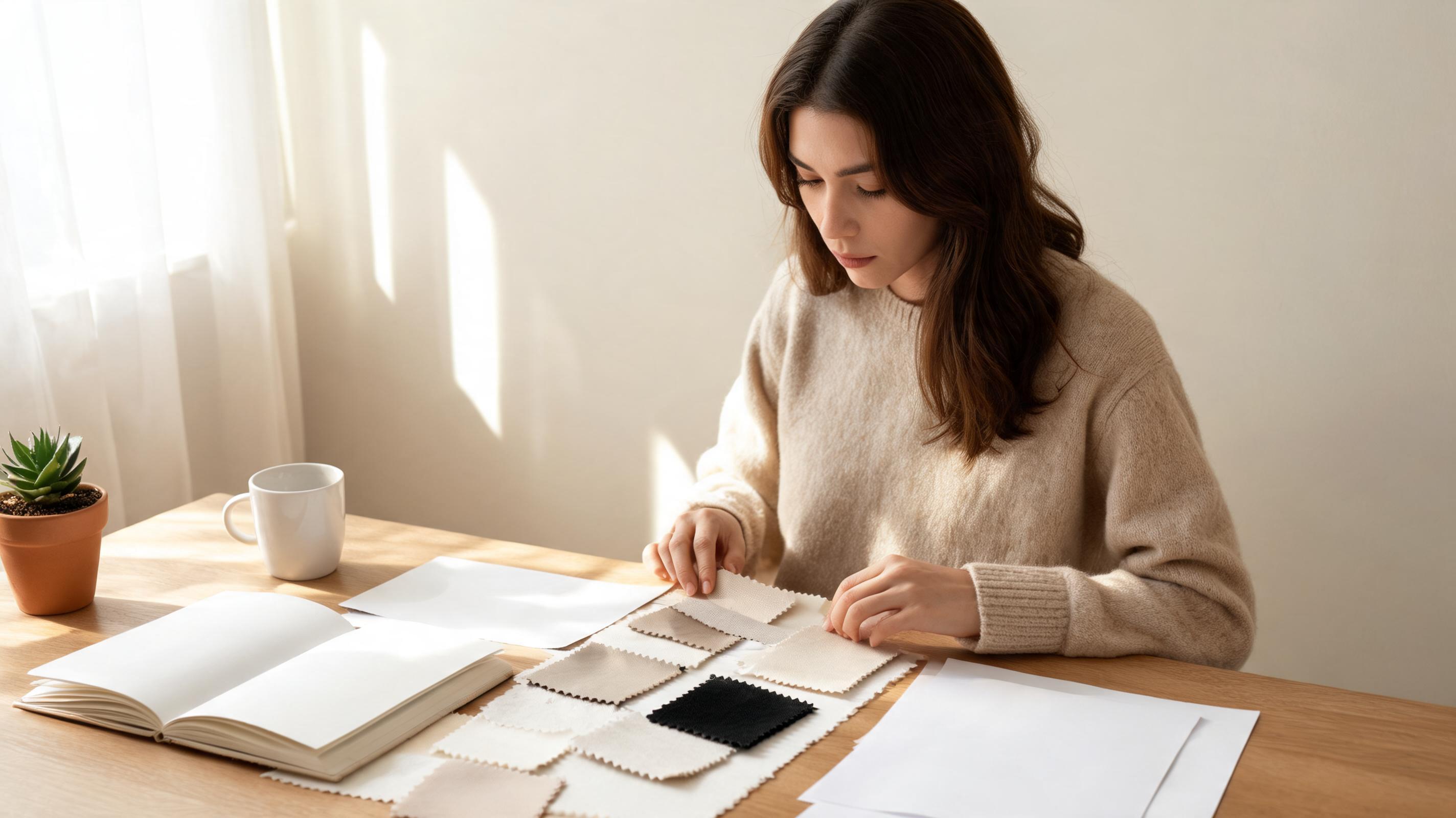
Next, focus on visual elements. Your logo, color palette, and typography should reflect the personality of your brand. Think of these as the visual language that speaks to your customers before any words are read. For instance, a minimalist design might convey sophistication and elegance, while bold colors and playful fonts could indicate a youthful and vibrant brand. Consistency in these elements reinforces brand recognition and trust.
Consider the tone and voice of your brand. This is how you communicate with your audience through all forms of content, from website copy to social media posts. Is your brand professional and authoritative, or casual and friendly? The tone should align with the expectations and preferences of your target audience. A cohesive tone across all channels ensures that your audience receives a unified message.
To bring these elements together, develop a brand style guide. This document outlines how your brand should be presented in various contexts and serves as a reference for anyone creating content for your business. It should include guidelines for visual elements, tone, and messaging.
Finally, test and refine your brand identity. Gather feedback from your audience and analyze how they interact with your brand. Are they engaging with your content? Do they understand your message? Use these insights to make adjustments and improve your brand's effectiveness.
Crafting a unique brand identity is an ongoing process. By staying true to your core values and consistently refining your approach, you can build a strong and memorable brand that stands out in the clothing industry.
Designing Your Website for Maximum Impact
Creating a website that makes a lasting impression is crucial for small clothing businesses looking to establish a strong brand identity. The design should not only be visually appealing but also strategically crafted to effectively communicate your brand's values and engage your target audience. Here's how to design your website for maximum impact:
Start by clearly defining your brand's visual identity. This includes your logo, color palette, typography, and imagery style. These elements should be consistent across your website to reinforce your clothing brand identity. Consistency builds recognition and trust, which are essential for differentiating your brand in the competitive fashion industry.
Next, prioritize user experience (UX) design. A website that's easy to navigate will keep visitors engaged longer and encourage them to explore your offerings. Ensure that your site is mobile-responsive, as a significant portion of online shopping is done via mobile devices. A seamless mobile experience can significantly enhance your online presence for your clothing business.
Incorporate high-quality images of your clothing products. Visuals are a powerful tool in fashion branding. Use professional photos that showcase your products in the best light, highlighting details that matter to your audience. Consider including lifestyle images that depict your clothes in real-life scenarios, helping customers envision how they might fit into their own lives.
Implement clear calls to action (CTAs) throughout your site. Whether it's "Shop Now," "Learn More," or "Contact Us," CTAs should guide visitors towards taking the desired actions. Position them strategically on pages to maximize their visibility and effectiveness.
Finally, integrate social proof elements like customer reviews and testimonials. These can enhance credibility and influence potential buyers' decisions. Displaying user-generated content, such as photos from customers wearing your clothes, can also foster a sense of community and authenticity.
By focusing on these elements, you can design a website that not only captures the essence of your brand but also drives engagement and conversions. This approach ensures that your site serves as a powerful tool in your overall brand strategy for fashion, positioning your business for success in the digital marketplace.
Integrating Brand Elements Across Platforms
Integrating brand elements across platforms is crucial for maintaining a consistent clothing brand identity and enhancing your online presence. A small business in fashion must ensure that its brand message, visual identity, and customer experience are cohesive across all digital touchpoints. Let's walk through a practical scenario of how a small clothing business can achieve this.
Imagine you’re a small clothing brand owner who just finalized your brand identity, complete with a unique logo, color palette, and typography. The next step is to ensure these elements are seamlessly integrated across your website, social media, and any other online platforms you use. Start by reviewing your website design for clothing, ensuring it aligns with your new brand strategy for fashion. This involves updating the logo on your homepage, adjusting the site's color scheme to match your brand's palette, and using consistent typography throughout.
Next, turn your attention to social media platforms. Each platform has its own nuances, but the core brand elements should remain constant. Update profile pictures, cover images, and ensure your bio reflects your brand's voice. When posting content, use your brand's color scheme and tone of voice to create a cohesive feed. This consistency helps your audience easily recognize and connect with your brand, regardless of the platform they’re on.
Additionally, consider how your brand elements can be integrated into email marketing campaigns. Use your brand colors in email templates and ensure your logo is prominently displayed. The subject lines and copy should echo the tone used on your website and social media, reinforcing a unified brand message.
Lastly, evaluate how these elements can be incorporated into any physical marketing materials, such as packaging or business cards, to ensure your brand identity is consistent offline as well. Consistency across all channels builds trust and recognition, ultimately enhancing your brand's credibility and helping to differentiate it in the competitive fashion market.
In summary, integrating brand elements across platforms requires a strategic approach to maintain a cohesive brand presence. By aligning your website, social media, and marketing materials with your brand identity, you create a seamless experience for your audience, strengthening your clothing brand's image and online presence.
Cost Considerations for Branding a Clothing Website
Branding a clothing website involves several cost factors that small business owners should consider. First, the cost of hiring a professional branding agency or freelancer can vary widely based on expertise and location. A local agency might charge more for personalized, face-to-face consultations, while remote freelancers could offer competitive rates. When comparing services, evaluate the potential for a unique and cohesive brand identity that aligns with your business goals.

Next, consider the expenses related to website design. A well-designed website is crucial for establishing a strong online presence for your clothing business. Costs here can include custom graphics, user interface design, and mobile optimization. Depending on the complexity and features you require, such as e-commerce capabilities or interactive elements, the price can range significantly.
A breakdown of potential costs includes:
- Branding Agency/Freelancer Fees: These can range from a few hundred to several thousand dollars, depending on the scope of work and reputation of the service provider.
- Website Design and Development: Basic design services might start at a few thousand dollars, but more intricate designs with advanced functionalities can easily escalate to five figures.
- Content Creation: Quality content, including product descriptions, blog posts, and social media copy, is essential. Hiring a professional content creator or copywriter adds to the budget but enhances your brand's voice and engagement.
- Ongoing Maintenance and Updates: Post-launch, regular updates and maintenance are necessary to keep the site secure and relevant. Budget for monthly or annual fees for these services.
Balancing these costs with your business's financial constraints is key. Prioritize investments that offer the highest return, such as elements that directly enhance customer experience and brand perception. Seek quotes from multiple providers to ensure you're getting value for your investment. Remember, a well-branded website is not just a cost but an investment in the long-term success of your clothing business.
Measuring the Success of Your Branding Efforts
To determine whether your branding efforts are paying off, focus on both qualitative and quantitative metrics. For a clothing website, this means assessing not just sales figures, but also how your brand resonates with customers. Start by setting clear, measurable goals aligned with your brand strategy for fashion. These might include increasing website traffic, boosting conversion rates, or enhancing customer engagement.
Begin by analyzing website traffic. Tools like Google Analytics can help you track key metrics such as page views, bounce rates, and average session duration. An increase in traffic often indicates that your branding is drawing attention. However, it's crucial to examine the quality of this traffic. Are visitors spending time exploring your site, or are they leaving immediately? High bounce rates may suggest that your brand message isn't resonating as intended.
Next, evaluate conversion rates. This involves tracking how many visitors become customers. If your clothing brand identity is strong and clearly communicated, you should see an uptick in conversions. Consider running A/B tests on different design elements or calls to action to see what resonates best with your audience. This will not only improve user experience but also refine your brand identity further.
Customer feedback is another vital component. Engage with your audience through surveys or social media to gather insights about their perception of your brand. Are they recognizing your unique brand elements? Are they sharing or recommending your products? Positive feedback and increased social media mentions can be indicators of a successful brand strategy.
Finally, monitor your brand's online presence. This includes tracking mentions of your brand across social media and review sites. Tools like Social Mention can provide insights into the sentiment surrounding your brand. A positive sentiment indicates that your branding efforts are creating the desired impact.
In summary, measuring branding success involves a blend of data-driven analysis and qualitative feedback. By focusing on these metrics, you can make informed adjustments to your branding strategy, ensuring your clothing website continues to stand out in the crowded fashion market.
FAQ
What is the first step in branding a clothing website?
The first step is understanding your target audience and defining your brand's unique identity to align with their preferences and needs.
How much does it cost to brand a clothing website?
Costs can vary widely depending on the complexity of the design and the level of customization, but small businesses should budget for both design and marketing expenses.
How can I measure the success of my clothing website's branding?
Success can be measured through increased website traffic, higher engagement rates, improved sales, and positive customer feedback.